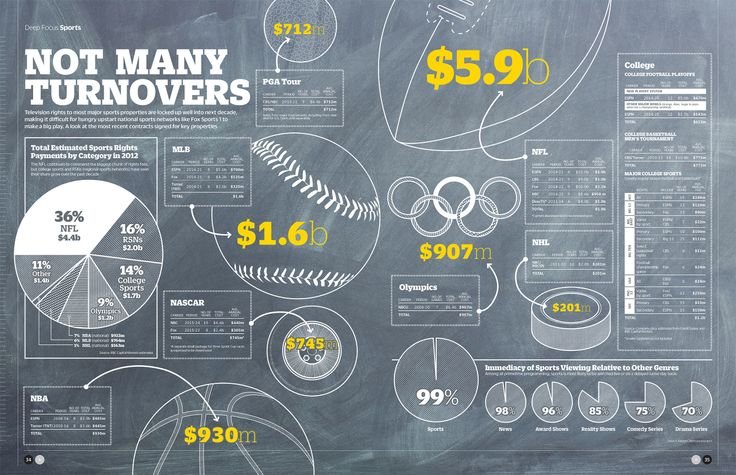
If you've been following the news, you know that the world of Sports Broadcasting Rights & Industry News is, to put it mildly, on fire. What was once a relatively predictable cycle of network deals and cable subscriptions has transformed into a high-stakes, multi-platform battleground. From the NFL to the NBA, and even international football leagues, live sports content has become the most valuable commodity in entertainment, driving billions of dollars in investment and fundamentally altering how we watch our favorite games.
Why the frenzy? Because in an era of endless on-demand content, live sports offers something unique: unskippable, communal, appointment viewing that streamers and traditional broadcasters alike are desperate to capture. This isn't just about showing a game anymore; it's about owning the fan experience, retaining subscribers, and future-proofing an entire industry.
At a Glance: Key Takeaways from the Sports Rights Boom
- Massive Growth: US spending on sports rights more than doubled in a decade, hitting $30.5 billion in 2025.
- A Revenue Powerhouse: Sports rights now account for 14% of total US television revenue, up from 8% in 2015.
- Global Expansion: Worldwide investment is set to exceed $78 billion by 2030, with the US leading the charge.
- Streaming's Surge: Global streamers are now major players, intensifying competition and reshaping deal structures.
- Fan Impact: Expect more viewing options, but also potential fragmentation and rising subscription costs.
- The Future is Now: Emerging tech like VR, interactive experiences, and even earlier deal renegotiations are on the horizon.
The Unstoppable Surge: Why Sports Rights Are Skyrocketing
Think about it: when was the last time you rushed home to catch the premiere of a new TV show? Probably not recently. But a crucial playoff game? A championship decider? You're likely glued to the screen, whether it's your smart TV, tablet, or phone. This unique "must-see-live" quality is the engine behind the explosive growth in sports broadcasting rights.
The numbers don't lie. Spending on US sports rights reached a staggering $30.5 billion in 2025, a phenomenal 122% increase from the $13.8 billion spent just a decade earlier in 2015. During the same period, combined US television revenues (across broadcast, cable, and streaming) rose a more modest 24%, from $172 billion to $213 billion. What does this tell us? That sports rights are soaking up a disproportionately larger slice of the pie, now accounting for 14% of total US television revenue, up from 8% in 2015. This isn't just a trend; it's a fundamental shift, reflecting the premium value live sports holds for attracting and, crucially, retaining subscribers.
This isn't just a general uptick; it's fueled by monumental, high-value agreements. The National Football League (NFL), for instance, inked massive new contracts in 2023 that secured its position as a dominant force. Not to be outdone, the National Basketball Association (NBA) is gearing up for significant rights renewals starting with the 2025–26 season, deals that are expected to push the market even higher. These flagship leagues serve as bellwethers, their deals setting new benchmarks for the entire industry.
It's a testament to the unparalleled engagement that live sports delivers. For networks and streaming services, it's a lifeline – a consistent, reliable audience that tuning in week after week, season after season.
Global Playbook: Where the Billions Are Going
The sports rights gold rush isn't confined to American borders; it's a global phenomenon. Ampere Analysis, a leading authority, predicts that worldwide investment in sports rights will soar past $78 billion by 2030, representing a substantial 20% increase from 2025 levels.
While the market is undeniably global, the United States remains the primary engine driving this incredible growth. US spending is projected to exceed $36 billion by 2030. This continued dominance is largely fueled by the anticipated NBA rights cycle and new Major League Baseball (MLB) deals expected from 2029 onwards. And don't count out the NFL; despite current deals running until 2034, the league believes its rights are undervalued. This conviction could spark discussions as early as 2026, potentially leading to renegotiations that would further inflate global spending figures.
Regional Deep Dive: Europe, Asia, and Beyond
Venture beyond the US, and you'll find different dynamics at play:
- Europe: The continent is projected to experience steadier, yet significant, growth, increasing by 17% from $18.3 billion in 2025 to $21.3 billion in 2030. While major European properties have faced some downward pressure in recent auction cycles, the rising appeal of live sports to global streamers is poised to ignite market competition in upcoming tenders. Major events like the FIFA World Cup and the Winter Olympics continue to be massive draws. We've already seen this in action, with UEFA securing deals with Paramount for its Champions League tender, illustrating the global streamers' appetite for premium European football.
- Asia: This region is also on a steep growth trajectory, with rights spending forecast to jump from $7.2 billion in 2025 to $9.9 billion in 2030. The primary driver here? The immense popularity of cricket. New Indian Premier League (IPL) and ICC tournament deals, set to begin from 2027, are expected to significantly boost the numbers, reflecting the sport's massive following across the subcontinent.
These regional differences aren't arbitrary; they stem from variations in contract structures, business models, and the intensity of market competition specific to each geography. What works for a US-based football league might not apply directly to European football or Asian cricket, making the global rights landscape a complex tapestry of unique opportunities and challenges.
The Streaming Revolution: New Players, New Rules
The digital age hasn't just changed how we watch sports; it's fundamentally reshaped who gets to broadcast them. Historically, sports rights were the exclusive domain of major broadcast networks (NBC, CBS, FOX) and dominant cable channels (ESPN, TNT). Today? It's a free-for-all, with tech giants and dedicated streaming services throwing their hats, and billions of dollars, into the ring.
This isn't simply a matter of shifting content from one screen to another. Streaming platforms bring a different business model, often prioritizing subscriber acquisition and retention over traditional advertising revenue. For them, a marquee sports package is a powerful magnet, a "must-have" that compels viewers to subscribe.
Consider the example of Paramount's deal with UEFA for the Champions League. This wasn't just about reaching a US audience; it was a strategic move to bolster Paramount+'s international sports offerings, giving subscribers access to premium European football they might not find elsewhere. Amazon's acquisition of Thursday Night Football, Apple's MLB and MLS deals, and Google's YouTube TV taking over NFL Sunday Ticket are further proof points that the tech titans are serious about sports.
This influx of new money and new players has several profound effects:
- Increased Competition: More bidders mean higher prices for rights holders. Leagues and teams can play streaming services against traditional broadcasters, driving up the value of their product.
- Fragmented Viewing: While beneficial for rights holders, this often means fans need multiple subscriptions to watch all their favorite teams or sports. The days of a single cable package covering everything are largely gone.
- Innovation in Presentation: Streaming platforms often push the boundaries of how games are presented, offering alternative broadcasts, interactive features, real-time stats, and more personalized viewing experiences. They're not just distributing content; they're reinventing how we consume it.
- Global Reach: Streamers have a built-in advantage for global distribution, allowing leagues to reach international fan bases more effectively than ever before, translating into more valuable international rights packages.
The streaming revolution isn't just a disruption; it's a redefinition of the entire sports media ecosystem. It's a game of strategic chess, with each platform vying for exclusive content to carve out its niche in an increasingly crowded market.
Who Wins? Understanding the Key Stakeholders
In this multi-billion-dollar ecosystem, everyone has a stake. But who truly benefits, and how do their interests intertwine?
1. The Rights Holders: Leagues, Teams, & Governing Bodies
Who they are: The NFL, NBA, MLB, UEFA, FIFA, college athletic conferences, individual teams, etc.
What they want: Maximum revenue for their content. This cash flow funds player salaries, stadium improvements, youth development programs, and league operations. Higher rights fees allow them to invest more in their product, which ideally leads to a better on-field/court product, which in turn makes the rights even more valuable. They also seek to expand their brand reach, grow their fan base, and maintain control over their content and image.
How they win: By securing competitive bids, leveraging exclusive content, and strategically packaging different rights (e.g., linear TV, digital, international) to various partners.
2. The Broadcasters & Streamers: The Buyers
Who they are: Traditional networks (ESPN, Fox, CBS, NBC), cable channels (TNT, TBS), and streaming platforms (Amazon Prime Video, Apple TV+, YouTube TV, Peacock, Paramount+, Max, DAZN).
What they want: Exclusive, high-value content that attracts and retains subscribers, drives advertising revenue, and enhances their brand perception. Live sports are a powerful differentiator in a crowded entertainment market, combating churn and drawing in new audiences. For streamers, it's about making their service indispensable.
How they win: By outbidding competitors, offering innovative distribution and production, and successfully monetizing the audience through subscriptions, advertising, or both. Their ability to deliver a seamless viewing experience across various devices is also critical.
3. The Advertisers: The Sponsors
Who they are: Brands and companies looking to reach a large, engaged, and often affluent demographic.
What they want: Access to the captivated audience that live sports reliably delivers. Unlike pre-recorded content, live sports are DVR-proof, meaning viewers are more likely to see commercials. High-profile games offer unparalleled opportunities for brand visibility and association with passion and excitement.
How they win: By securing prime ad slots, creating memorable campaigns that resonate with sports fans, and leveraging sponsorships to integrate their brand directly into the sporting event.
4. The Fans: You and Me
Who they are: The ultimate consumers of sports content, from die-hard season ticket holders to casual viewers.
What they want: Easy, affordable access to watch their favorite teams and sports, high-quality broadcasts, innovative viewing experiences, and competitive matchups. They crave connection to the game and a sense of community.
How they can win: By benefiting from increased production values, a wider array of content choices (sometimes at the cost of multiple subscriptions), and potentially more interactive ways to engage with the game. However, they also face challenges like fragmented access and rising costs.
Understanding these intertwined interests is key to grasping the sheer scale and complexity of the sports broadcasting rights market. Every deal is a delicate balance of these various stakeholders, each fighting for their piece of the pie.
Navigating the Complexities of Rights Deals
The phrase "sports broadcasting rights" sounds simple, but the reality is anything but. These are not monolithic deals. Instead, they're intricate webs of agreements, often carved up and sold in various packages, tailored to maximize revenue and reach.
Dissecting the Rights Categories
When a league or team sells its broadcasting rights, they're usually thinking in distinct categories:
- Linear TV Rights: This is the traditional broadcast model—your standard over-the-air channels and cable networks. These often include regional sports networks (RSNs) for local market games and national broadcasts for marquee matchups.
- Digital/Streaming Rights: This covers everything from dedicated streaming apps to major platforms like Amazon or Apple. These deals can be exclusive to specific games, entire packages, or even carve-outs for specific demographics or types of content (e.g., shoulder programming, archives).
- International Rights: Often sold separately from domestic rights, these packages allow broadcasters in other countries to air games. The growth of global fan bases for major leagues (like the NBA or Premier League) makes these increasingly lucrative.
- Highlight & Archive Rights: Beyond live games, the ability to show highlights, classic games, or exclusive behind-the-scenes content also holds significant value.
- Betting & Data Rights: With the expansion of legal sports betting, the rights to official game data and potentially even exclusive betting content have emerged as a new, valuable revenue stream.
The Negotiation Battlefield
Negotiating these deals is an art form, often taking years and involving high-stakes poker between experienced media executives and league officials. Key considerations include:
- Term Length: Deals can range from a few years to a decade or more. Longer terms offer stability for both sides but can be risky if market conditions change dramatically.
- Exclusivity: Is the buyer getting exclusive rights to a certain package of games, or are they sharing with others? Exclusivity commands a premium.
- Cross-Platform Integration: How will the content be distributed across the buyer's various platforms (broadcast, cable, streaming, social media)?
- Production Costs: Who bears the cost of producing the broadcast? Often, it's the rights buyer, which is a significant expense beyond the rights fee itself.
- Promotional Commitments: What commitments does the broadcaster make to promote the league or sport?
- Flexibility & Future-Proofing: Deals often include clauses for new technologies or distribution methods that might emerge during the contract term.
The sheer volume of money involved means that even a minor tweak in terms can represent hundreds of millions of dollars over the life of a contract. It's why legal teams, market analysts, and strategic consultants play such a crucial role in these negotiations.
The Impact on the Fan: Price, Access, and Innovation
For many of us, the booming sports rights market is a double-edged sword. On one hand, we're seeing an unprecedented level of investment in production quality, innovative viewing options, and a wider variety of content. On the other, it often means navigating a complex, expensive landscape to watch our favorite teams.
The Good: More Choices, Better Experiences
- Enhanced Production: With billions flowing into the industry, broadcasters can afford cutting-edge cameras, advanced graphics, and world-class commentary teams. This means a more immersive and high-quality viewing experience.
- Innovative Features: Streaming platforms, in particular, are experimenting with multi-view options, interactive stats overlays, on-demand highlights, and personalized feeds. You might be able to choose your announcer, camera angle, or even dive into player-specific data in real-time.
- Broader Content: Beyond just live games, rights holders are producing more documentaries, behind-the-scenes series, and original programming that delves deeper into the stories of athletes and teams.
- Global Access: For international fans, it's easier than ever to follow leagues from around the world, often with localized commentary and features.
The Challenging: Fragmentation and Rising Costs
- Subscription Fatigue: To watch a full season of your favorite sport, you might need subscriptions to several different streaming services, plus a traditional cable package. This can quickly add up, leading to "subscription fatigue" where consumers feel overwhelmed by the number of services required.
- Local Blackouts: Despite national deals, local market blackouts for specific games (often tied to regional sports networks) remain a frustrating reality for many fans, making it difficult to watch their home team.
- Switching Costs: Even if you're willing to pay for multiple services, remembering which game is on which platform at any given time can be a logistical headache.
- Piracy: As content becomes more expensive and fragmented, some fans turn to illicit streaming sites. This is a constant battle for rights holders and broadcasters, who pour significant resources into combating unauthorized distribution. Websites like our Roja Directa TV hub represent a constant challenge for the industry, siphoning off potential viewership and revenue. The fight against piracy isn't just about protecting revenue; it's about preserving the value of the content itself.
The sports broadcasting industry is actively trying to balance these challenges. Hybrid models, where traditional broadcasters partner with streamers, are becoming more common, attempting to offer both broad reach and specialized content. However, for the foreseeable future, fans should be prepared to make strategic choices about their viewing habits and budget.
Future Frontiers: What's Next for Sports Broadcasting
The current boom is unlikely to plateau anytime soon. Instead, the industry is poised for continuous evolution, driven by technological advancements, shifts in consumer behavior, and aggressive competition.
Emerging Technologies & Experiences
- Virtual and Augmented Reality (VR/AR): Imagine "sitting" courtside at an NBA game from your living room, or having real-time stats projected directly onto your TV screen as if they were part of the broadcast. VR and AR offer truly immersive and interactive viewing experiences that are just beginning to be explored. We're moving beyond passive viewing to active participation.
- Interactive Viewing: Polls, quizzes, real-time fan reactions, and even the ability to influence broadcast elements (e.g., choosing camera angles) will become more commonplace, deepening fan engagement.
- Personalized Content Streams: AI and machine learning could enable highly personalized broadcasts, showing you more replays of your favorite player, or filtering commentary based on your preferences.
- The Metaverse: While still nascent, the concept of a persistent virtual world offers potential for new ways to experience sports, from virtual stadiums to unique social viewing environments.
The Continued Evolution of Deals
- Earlier Renegotiations: The NFL's potential move to renegotiate its deals as early as 2026, despite current contracts running until 2034, highlights a new paradigm. Leagues are keenly aware of the escalating value of their product and aren't afraid to push for new terms sooner if they believe their content is undervalued. This could become a more common tactic.
- Hybrid Models & Partnerships: Expect more creative collaborations between traditional broadcasters and streamers. Joint ventures, shared rights, and tiered access models will likely become the norm, aiming to maximize reach while catering to different consumer segments.
- Data-Driven Rights: The value of fan data and engagement metrics will continue to rise. Future deals may include more intricate data-sharing agreements, allowing rights holders and broadcasters to better understand and monetize their audience.
- Direct-to-Consumer (DTC) Options: While major leagues are often too large to go fully DTC, we might see more niche sports or specific packages offered directly to fans, bypassing traditional intermediaries.
The next decade in sports broadcasting promises to be as dynamic and transformative as the last. For rights holders, it's about continually innovating and understanding the true value of their product. For broadcasters and streamers, it's about strategic investment and delivering unparalleled experiences. And for fans, it's about embracing new ways to connect with the games they love, while staying savvy about the costs involved.
Strategic Moves for Rights Holders and Buyers
In this high-stakes game, success isn't guaranteed. Both rights holders and buyers need sharp strategies to thrive amidst the booming market.
For Rights Holders (Leagues, Teams):
- Understand Your True Value: Don't just look at past deals. Conduct thorough market analysis to assess your content's current and future potential, considering new tech, global reach, and the competitive landscape. The NFL's belief that its rights are undervalued is a prime example of this proactive stance.
- Diversify Your Portfolio: Don't put all your eggs in one basket. Carve up rights packages strategically to appeal to different types of buyers (linear, streaming, international, betting). This creates competitive tension and maximizes overall revenue.
- Invest in Your Product: Higher rights fees should translate into a better on-field product, enhanced fan experience, and more compelling storytelling. A superior product commands higher value.
- Embrace Innovation: Be open to new distribution methods and viewing technologies. Partner with companies that can push the boundaries of how your sport is consumed.
- Cultivate Your Audience Data: Understanding your fan base is paramount. Leverage data to demonstrate value to potential partners and inform future strategies.
For Buyers (Broadcasters, Streamers):
- Strategic Content Acquisition: Don't just buy for the sake of buying. Assess how specific sports rights align with your overall business objectives – subscriber growth, ad revenue, brand differentiation, or international expansion.
- Innovate the Fan Experience: Simply putting a game on screen isn't enough. Invest in interactive features, personalized viewing options, and unique content that differentiates your offering from competitors.
- Consider Hybrid Models: Partnerships are key. Collaborating with other platforms, even competitors, can help mitigate risk, share costs, and broaden reach, especially for highly expensive rights.
- Monetization Beyond Subscriptions/Ads: Explore alternative revenue streams like betting partnerships, merchandise integration, or premium content tiers.
- Combat Churn with Value: Live sports are great for acquisition, but strong complementary content and a seamless user experience are crucial for retention. Ensure your platform offers consistent value beyond just the games.
The sports broadcasting rights industry is a perpetual motion machine. It rewards those who are agile, innovative, and deeply understand both the market and their audience. The coming years will undoubtedly see even more audacious deals, technological leaps, and evolving viewing habits, making it one of the most exciting sectors to watch.